
Coffee & Intermittent Fasting: Can They Coexist?
Intermittent fasting has become incredibly popular in recent years, with people around the world embracing the no-fuss approach to weight loss, improved digestion and mental clarity. But for coffee-lovers, it can be confusing to understand where to draw the line regarding coffee consumption during a fasting period. In this article, we explore the science behind coffee’s effect on fasting and what it means for your caffeine habit.
Coffee Itself Does Not Break a Fast
Many people are under the impression that ingesting any substances other than water breaks a fast. But the science unequivocally shows that coffee, specifically, does not interfere with the fasting process. This is mainly due to its low calorie content– it often ranges between 1-5 calories per cup, depending on how it’s prepared.
What’s more, coffee is rich in polyphenols– which are types of antioxidants that work to support the body’s natural processes. Research shows that polyphenols may help support the immune system and act as a detoxifying agent. They may even reduce the hangover effect of consuming too much caffeine or decaffeinated coffee.
Caffeine Intake During Fasting

That said, one of the principle benefits of intermittent fasting– and a key reason why so many people swear by it – is its ability to allow your body to take a breather and detoxify itself. That includes letting your body’s organs, including the liver and kidneys, rest and become stronger.
Caffeine is a stimulant, and for that reason, many experts suggest limiting the amount of caffeine you ingest during a fasting period. That’s because drinking too much caffeine can induce anxiety and leave you feeling jittery. Instead, it’s best to keep the caffeine intake on the low end, with just one cup a day being a safe bet.
Different Types of Intermittent Fasting
It’s important to consider that all fasting diets are not alike. There are many different styles and protocols, some of which might be more strict than others when it comes to the type and amount of beverages you can have during a fast.
For example, the 5:2 diet, also known as the “Weekend Warrior,” allows you to eat normally five days of the week and then fast for two days of the week. During these two days, you can consume liquids such as tea, water, black coffee and other low-calorie drinks, but not juice or smoothies.

Another popular diet, the 16/8 method, has you fast for 16 hours and eat in an eight-hour window each day. In this case, caloric beverages like coffee might be acceptable to consume, depending on the specific instructions for this type of diet.
Health Benefits of Coffee
The good news is that coffee can certainly be a part of your fasting protocols, but also that it can benefit your overall health. Here’s a quick rundown of some of the potential benefits:
- It may reduce inflammation.
- It can give you an instant energy boost.
- It can support mental clarity.
- It has numerous antioxidants.
- It reverses signs of aging.
It’s also worth noting that coffee also carries some risks, so everything in moderation is the best way to go. For example, it can disrupt your sleep cycle, which is why it’s important to avoid drinking coffee in the late afternoon. It might also disrupt your digestive system if you have an underlying condition like irritable bowel syndrome.
The Negatives of Coffee During Intermittent Fasting
The main negative of drinking coffee during a fast is that it could interfere with the body’s natural ability to experience the benefits of fasting. This could be because the stimulants in coffee, specifically caffeine, may kick start your metabolism and speed up the process of breaking down the food you eat.
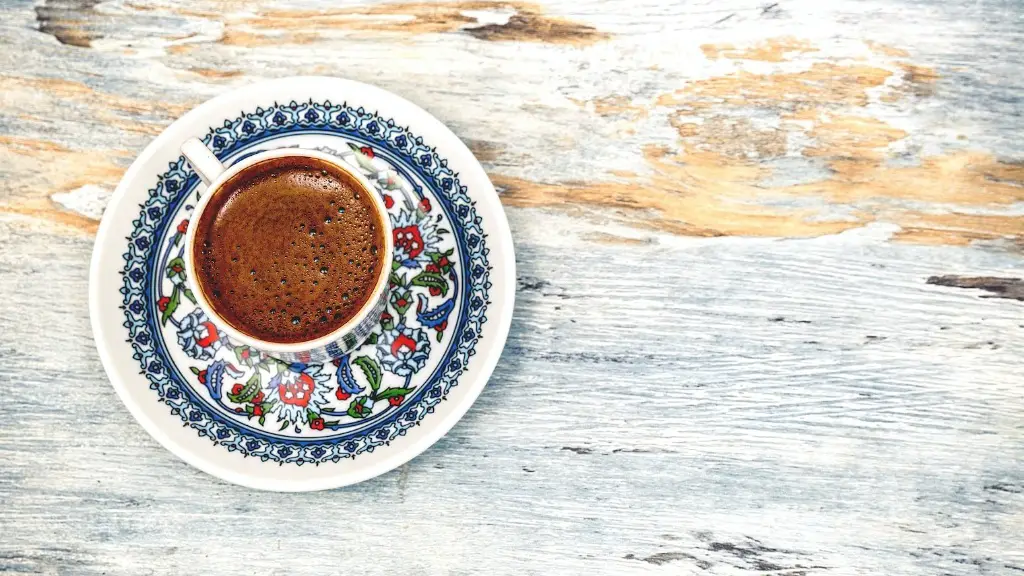
Also, if you’re consuming coffee with any added ingredients, like sugar or artificial sweeteners, it could kick you out of ketosis. That’s because ketosis requires you to limit or avoid most carbohydrates, which can be found in some of these added ingredients.
The Benefits of Coffee During Intermittent Fasting
Aside from potentially providing some of the cognitive benefits of coffee, drinking it can help diminish hunger pains and provide an energy boost during the fasting period– especially when you may have an intense workout coming up. Especially if you’re someone who’s used to having coffee during their morning commute or right after waking up, coffee can help you maintain consistency with your fasting routine.
It’s also worth noting that while popular drink choices like coconut milk match and almond milk matcha lattes have become mainstream, these drinks tend to have a high calorie and carbohydrate content. And depending on the type of fast you’re following, these drinks may be off-limits.
The Bottom Line
Coffee is one of the most popular beverage choices on the planet, and it doesn’t have to be off-limits during a fasting period. It can even aid in enhancing the many benefits of intermittent fasting, as long as it’s consumed with some measure of moderation and at the right times of day. A single cup of black coffee won’t cause any interference with your fast, and it can even provide you with certain health benefits, including improved mental clarity and energy.
