
Decaf coffee is a popular option for coffee drinkers who want to enjoy the coffee flavor without all the caffeine content in its full-strength counterpart. It has come a long way from its controversial beginnings to being accepted as a healthy, sensible choice for many coffee drinkers. However, many remain sceptical about the safety of decaf coffee, questioning whether the process to make it results in any lingering or harmful side-effects.
The decaffeination process removes the caffeine content in coffee beans typically by using an organic solvent, water, carbon dioxide or a process called the Swiss Water Method. In solvent-based processes, chemicals such as benzene, ethyl acetate, methylene chloride and carbon dioxide are used to remove coffee’s natural caffeine content. The coffee is then rinsed to remove residues from the solvent.
However, it can be difficult to ensure that all residues from the process have been fully removed, as trace amounts may be present in decaf coffee – though they usually remain within safe limits established by national authorities.
Despite this, there is much debate over the safety of decaf coffee and the potential harms associated with drinking it. Scientific opinion is divided; although, according to Dr. Rob Hickson, a nutritional scientist at SACN (Scientific Advisory Committee on Nutrition), decaf coffee is safe for the vast majority of people to consume, as there is no evidence to suggest it causes any significant harm.
He went on to say, “Coffee contain a very low risk of toxicity to humans and presents no significant public health risks, providing that it has only been decaffeinated as approved by food safety regulations.”
Moreover, studies show that drinking decaffeinated coffee does not significantly alter systemic inflammation, lipid profiles or metabolic measures, making it both a safe and sensible choice for a wide range of people.
Decaf coffee is also a healthy option for those with pre-existing medical issues, such as hypertension, due to its reduced caffeine content. Caffeine is known to increase the risk of hypertension, so it’s sensible for those with high blood pressure to limit their intake of caffeine overall, and switching to decaf coffee could be a useful way of doing this.

Additionally, it has less of an impact on sleep patterns and can be consumed during the day without leaving drinkers feeling jittery or anxious. This makes it suitable for those who could be affected by the adverse effects of caffeine.
Does Decaf Coffee Have Any Benefits?
Despite being low in caffeine and thus the associated energy-boosting side effects, decaf coffee does still contain some beneficial antioxidants. Since the water process used to make decaf coffee does not involve solvents, these antioxidants are not processed out, meaning decaf coffee can still be an important source of antioxidants for those looking to improve their health.
For those looking to boost their antioxidant intake, switching to decaf is a logical choice for coffee drinkers, as it allows them to enjoy the flavor of the coffee without the stimulants of caffeine.
By removing the caffeine from coffee, there is also no risk of coffee drinking causing certain digestive problems such as withdrawals, heartburn or restlessness as these are side effects caused by caffeine.
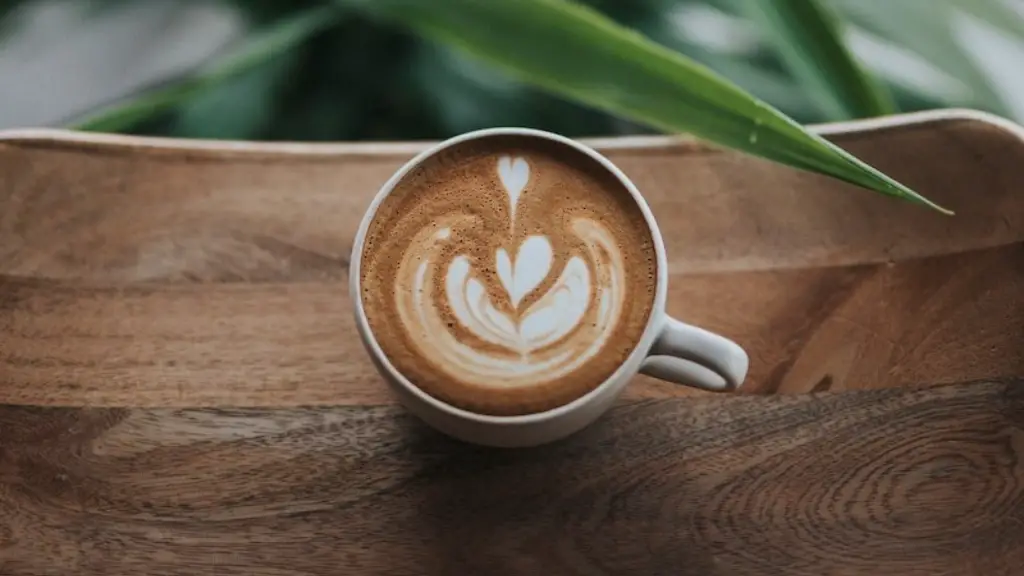
In terms of taste, however, decaf coffee is not typically considered to be as strong or concentrated as full-strength coffee.
Is Decaf Coffee Bad For You?
The main concern with decaf coffee is the worry over the health risks related to the process used to make it, with some people questioning whether the chemicals used to decaffeinate the coffee remain present in the drink. While research shows that the risk is low, people can make an informed choice about whether to drink decaf coffee by understanding how it is made.
In fact, the majority of available research suggests that there are no significant risks associated with drinking decaf coffee. Instead, it can be consumed within reason and is typically considered a sensible and even healthy choice for many.
How Can Caffeine Content be Reduced?
Decaffeinated coffee has become more popular in recent years, however, for those who want to limit their caffeine intake but still enjoy a strong cup of coffee, there are other options. One such way is to reduce the amount of ground coffee used per cup, which dilutes the caffeine content of the drink without significantly altering its flavor.

Another method which can be used to reduce caffeine levels is to proceed with brewing as usual but to discard the first portion, which can be as much as 40% of the total caffeine content of the coffee.
Are There Alternatives To Decaf Coffee?
For those who are not comfortable drinking decaf coffee, there are alternatives such as herbal tea and other infusions available. There are a wide variety of herbal teas on the market, and some of them, such as chamomile and peppermint can also provide calming and soothing effects and can be enjoyed hot or cold.
Alternatively, a caffeine-free alternative to coffee, such as roasted grain or chicory can be a good substitute. These infusions usually have subtle roasted notes and can taste similar to coffee, although they don’t necessarily have the same flavor as regular coffee.
Conclusion
In conclusion, decaf coffee is generally considered to be a safe and healthy alternative to regular coffee for those who want to limit their caffeine consumption. While there is some debate about the potential health impacts of decaf coffee, research indicates that it poses no significant health risks to the average person. Decaf coffee is also an easy and convenient way to get the flavor of coffee without the risks associated with caffeine.
What Affect Does Decaf Coffee Have On Mood?
Decaf coffee does not contain any of the stimulants that are associated with regular coffee, so it does not produce the high energy levels or increased alertness that can be associated with drinking regular coffee. As such, it cannot be relied on to produce any positive effects on mood or mental state, although it may provide a sense of satisfaction or comfort.
It is also worth noting that some research has suggested that caffeine can influence dopamine levels, leading to a positive effect on mood. Therefore, it is possible that drinking decaf coffee could have a detrimental effect on mood, particularly if it is a substitute for regular coffee. It is therefore important to take into consideration the potential impact of decaf coffee on mood before deciding whether or not it is the best drink for you.
What Are The Caffeine Content Levels In Decaf Coffee?
The caffeine content in decaf coffee varies depending on the specific preparation method and type of beans used. Generally speaking, however, decaf coffee contains approximately 1-4% caffeine on average, compared to the 10-12% caffeine content found in regular coffee. It is also important to note that the caffeine content in decaf coffee is not completely eliminated, and small traces are still present.
When choosing decaf coffee, it is important to consider the source of the beans and the decaffeination process used, as the residues of the process used to remove the caffeine might still remain in the coffee. Furthermore, it is also worth checking the caffeine content of the specific brand you are buying to make sure it meets your expectations.
What Are The Healthier Alternatives To Decaf Coffee?
One of the healthiest alternatives to decaf coffee is to drink herbal tea. Herbal teas provide many of the same beneficial properties of regular tea, but with fewer of the associated risks. In particular, herbal teas such as green tea and chamomile are known for their calming and calming effects and are rich in antioxidants. In addition, these teas are also caffeine-free, so they are a great choice for those looking for an alternative to decaf coffee.
Another great coffee alternative is roasted grain coffee, which can provide a similar flavor to coffee but without the caffeine content. This coffee alternative is made from grains such as barley, oats and wheat which have been roasted and then ground up in a similar way to regular coffee. Roasted grain coffee is also high in antioxidants and can be enjoyed hot or cold.
Finally, the healthiest alternative to decaf coffee is to drink decaffeinated green tea. Green tea is rich in antioxidants and can provide many health benefits. Decreasing caffeine intake can also be beneficial, so drinking green tea with its low caffeine content can provide a great and healthy alternative to coffee.
