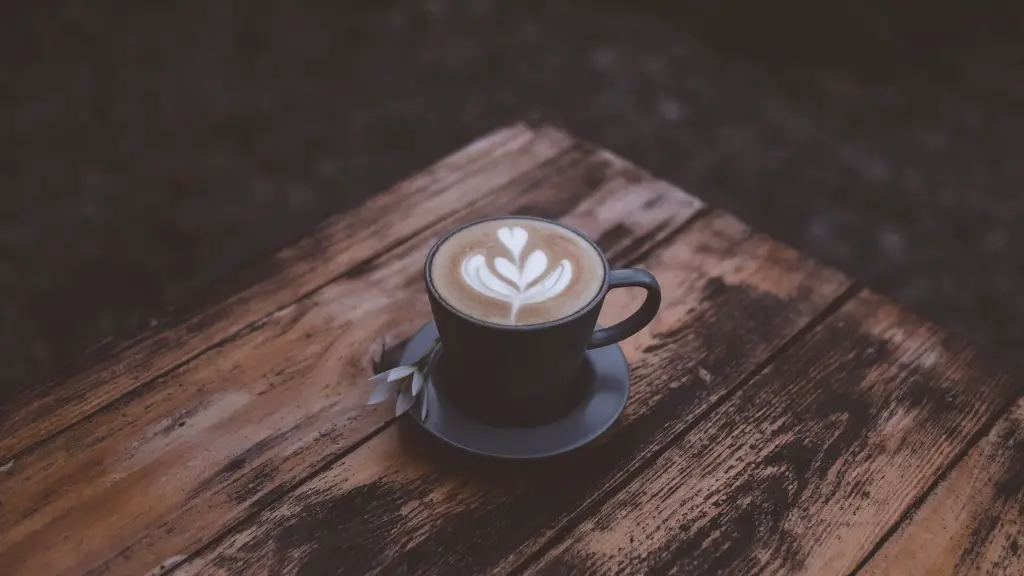
Health Benefits of Black Coffee
Although coffee, especially black coffee, is generally associated with bouts of sleeplessness and jumpiness, the benefits of drinking black coffee far outnumber its drawbacks. Studies have found that black coffee can reduce the risk of type 2 diabetes and heart disease, making it a healthier choice than sweeter alternatives. Additionally, black coffee is rich in essential nutrients such as magnesium, potassium, and antioxidants that can help your body function properly and fight off disease-causing molecules, known as free radicals.
Regular coffee drinkers are also less likely to develop certain types of cancers, with research indicating that coffee can reduce certain types of inflammation and improve insulin sensitivity. Furthermore, drinking coffee can improve cognitive performance, as the caffeine content can help increase alertness and concentration.
In regards to weight loss, coffee can help boost your metabolism and burn fat more efficiently. However, experts advise not to consume coffee prior to exercising, as the high amounts of caffeine can be dehydrating and affect your performance. Additionally, coffee should always be consumed in moderation, as a cup of black coffee contains approximately 95 mg of caffeine, which can lead to increased blood pressure and heart rate.
Negative Effects of Black Coffee
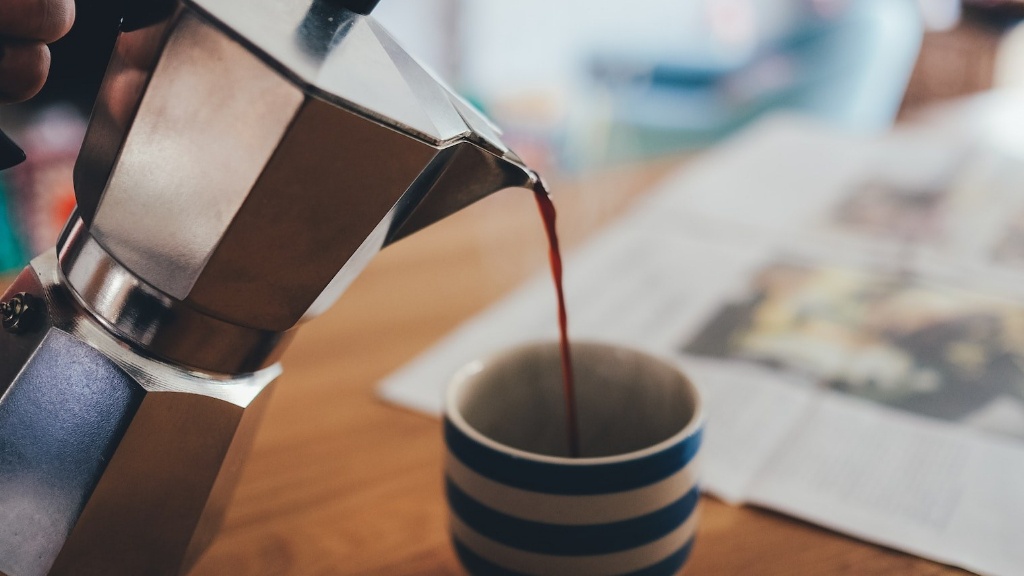
When consumed in large amounts, black coffee can have some negative effects on your body, such as increasing your blood pressure levels. However, this only usually happens when you’re consuming more than the recommended four to five cups of black coffee a day. Additionally, too much caffeine can make it difficult for you to get a good night’s sleep and irritate your stomach lining.
Although drinking black coffee doesn’t necessarily lead to tooth decay, the acids in coffee can wear away at your tooth enamel and lead to discoloration. Experts recommend that you brush your teeth after drinking coffee and that you avoid sugar, creamer, and other additives to reduce potential damage to your teeth.
Finally, coffee can also reduce the absorption of iron in the body, an important nutrient that your body needs to make red blood cells. This means that if you drink coffee on a regular basis, you should adjust your diet accordingly to ensure thatyou’re receiving enough iron.
Alternatives to Black Coffee
One of the best alternatives to drinking black coffee is cold brew. Cold brew is made by steeping ground coffee beans in cold water for a period of time, and as a result, it contains less acid than traditional hot-brewed coffee. Not only does cold brew taste smoother, but it also contains lower levels of caffeine, making it an ideal alternative for people with sensitive stomachs.

If you’re looking for a caffeine-free option, decaf coffee is a good alternative. Decaf coffees are made from regular coffee beans that have been processed to remove caffeine, resulting in a beverage that contains almost no caffeine and no bitter aftertaste.
Finally, you can also choose from a variety of tea options, such as green tea, white tea, and rooibos tea, to relax and unwind without the negative side effects of caffeine. Not only do these teas have antioxidation properties, but they also contain less caffeine than coffee and come in a variety of flavors.
Points to Consider Before Choosing Black Coffee
Black coffee can be a beneficial addition to your diet, as long as it is consumed in moderation and without excessive additives such as sugar or cream. Additionally, black coffee can be an acquired taste so it’s best to start off by adding small amounts of milk or cream until the desired taste is achieved.
Furthermore, if you’re pregnant, nursing, or have a medical condition, it’s best to consult your doctor before increasing your coffee consumption, as there may be potential risks to your health. Finally, always make sure to read nutrition labels to get an accurate assessment of the caffeine content in your coffee.
Conclusion

Overall, drinking black coffee in moderation can be a beneficial addition to your diet and can even provide some health benefits. However, it’s important to consider your individual needs and consult your doctor if you have any health concerns before increasing your daily coffee consumption.