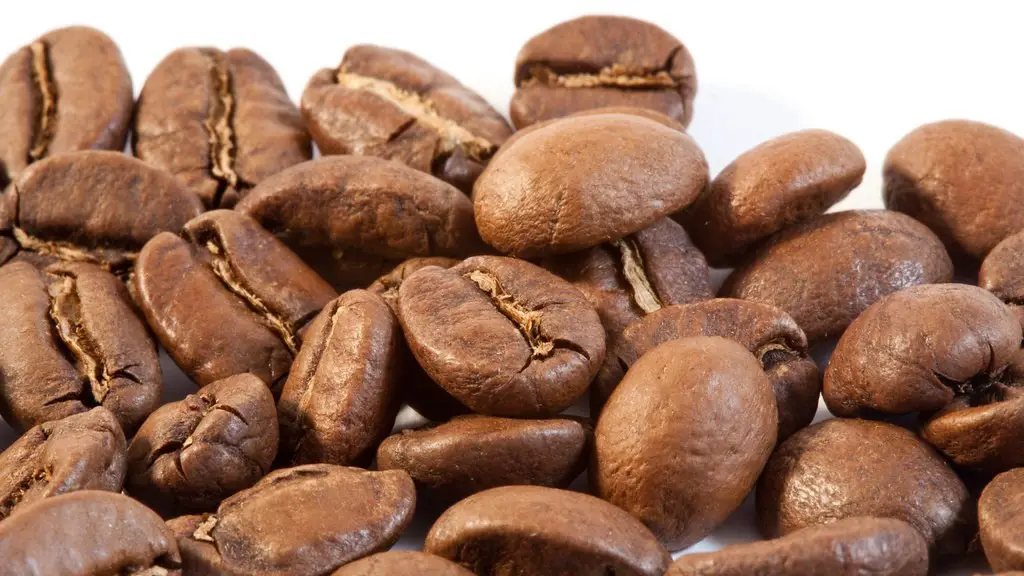
Many of us have heard it said that it’s not a good idea to drink coffee after dinner, but why not? It turns out that drinking coffee after dinner is more complicated than it may seem. This article discusses the pros and cons of drinking coffee after dinner and explores whether this is the right choice for you.
Coffee and Nutrition
At first glance, it may seem illogical to drink coffee after dinner as coffee is not considered a nutritious food. However, there are some nutritional benefits of drinking coffee. Coffee contains antioxidants, which can help protect the body from oxidative damage caused by free radicals. Studies have also found that coffee can help to reduce inflammation and lower the risk of certain cancers, such as colorectal cancer. Therefore, it is not necessarily unhealthy to drink coffee after dinner.
Caffeine’s Aftereffects
One potential downside of drinking coffee after dinner is the possibility of caffeine’s aftereffects. Caffeine is a stimulant, and consuming it in the evening can interfere with sleep. In addition, coffee’s stimulant effects can lead to an increase in heart rate and blood pressure, which could be problematic for those with high blood pressure or other heart conditions. Therefore, it may be wise to avoid coffee late at night, especially for those with existing conditions.
Caffeine Sensitivity

Another crucial factor to consider when deciding whether to drink coffee after dinner is how caffeine affects your body. Everyone is different, so it is essential to check in with yourself and observe how your body reacts to caffeine. If you find that caffeine keeps you up at night or makes you feel anxious, it is important to be mindful of this and decide accordingly. It might be best for you to abstain from drinking coffee late at night.
Healthy Alternatives
If you choose to avoid coffee after dinner, there are plenty of healthy alternatives you can turn to. Decaffeinated tea is a good option as it contains many of the same antioxidants as coffee but without the caffeine. You could also try indulging in warm chamomile tea or herbal tea, such as peppermint or licorice root tea. These can all help promote relaxation and a restful sleep.
What Should You Do?
Ultimately, the decision to drink coffee after dinner is up to you, and the best approach is to assess your own circumstances and the advice of your health care provider. If you decide to consume coffee after dinner, do so in moderation, and make sure that you are not drinking too late at night. If you want to play it safe, opt for a decaffeinated alternative or try a herbal tea.
Will Coffee Suppress Your Appetite?
Many people are unsure whether drinking coffee before or after dinner suppresses hunger. It turns out that there is some scientific evidence to suggest that it does. Studies have found that coffee can cause a reduction in hunger and an increase in satiety, which means you may be less likely to overeat. Of course, in order to maximize the effects of coffee, it is important to practice portion control and abstain from adding sugary and processed ingredients such as creamers, sugars, and syrups.
What Are The Benefits Of Drinking Coffee After Dinner?

Though coffee after dinner has some potential drawbacks, it can also be beneficial in some cases. Coffee can help to reduce appetite, as discussed above, which can be especially useful if you tend to overeat in the evening. Coffee can also be calming, so if you find yourself struggling to unwind after dinner, a cup of coffee can provide the perfect remedy. In addition, coffee contains antioxidants, which can provide many health benefits, such as protecting your body from disease-causing free radicals.
Will Coffee Interfere With Digestion?
It is a common belief that coffee can interfere with digestion, but does this really hold true? Studies have found that coffee does not seem to interfere with digestion, as long as it is consumed at the proper time. In fact, coffee can even speed up digestion and help reduce indigestion symptoms. However, it is important to monitor your own body and observe how it reacts to the coffee. In general, it’s best to avoid drinking coffee too late at night, as this can interfere with your sleep.
Does Caffeine Impact Blood Sugar Levels?
Recent studies suggest that caffeine could potentially reduce blood sugar levels in those with diabetes. A study in Diabetic Medicine found that when people with type 2 diabetes consumed caffeine, their post-meal blood sugar levels were lower than when they did not. However, it is important to note that everyone is different and that drinking coffee late at night could interfere with sleep and potentially lead to spikes in blood sugar levels. Therefore, it is important to closely monitor your blood sugar levels if you decide to drink coffee after dinner.
How Much Coffee Is Too Much?
Before deciding to drink coffee after dinner, it’s important to consider how much coffee you are consuming during the day. Caffeine can accumulate in your system and lead to adverse effects, making it important to stay mindful of your caffeine intake. Generally, 400 milligrams of caffeine a day is enough for most healthy adults, but there is no one-size-fits-all approach. It is essential to observe how you feel and adjust your intake accordingly.
What Is The Alternative to Drinking Coffee After Dinner?

If you decide not to drink coffee after dinner, there are various alternatives you can try. Decaffeinated tea is an excellent choice, as it still provides the same great taste and health benefits, without the caffeine. You could also try indulging in warm chamomile tea or herbal tea, such as peppermint or licorice root tea. Herbal teas are naturally caffeine-free, can be relaxing, and can help promote a restful sleep.