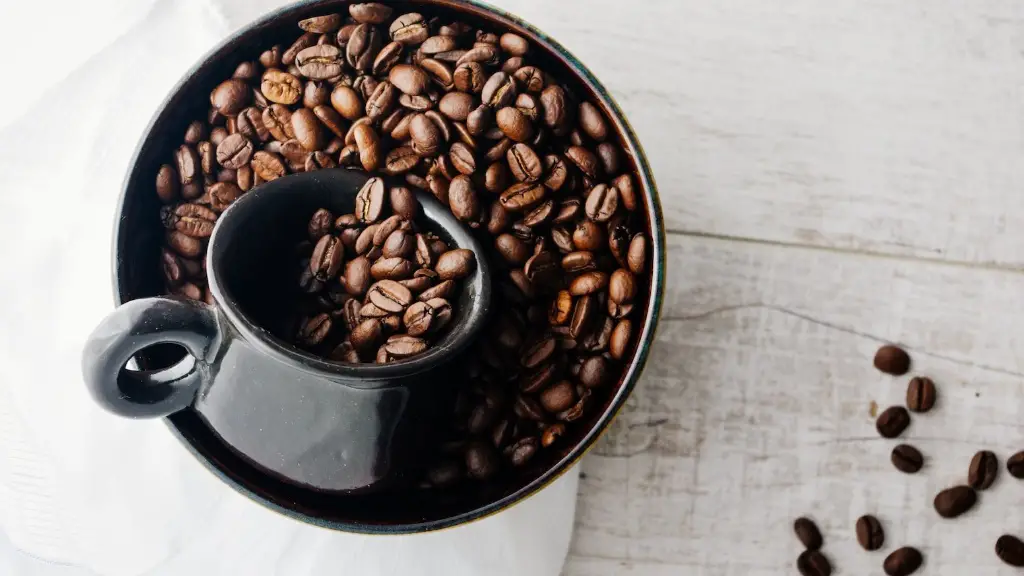
Coffee has been a staple beverage enjoyed by millions worldwide for centuries. The popular drink is linked to several health benefits such as lowered risk of colon cancer and type 2 diabetes. But when it comes to constipation – should we drink coffee for relief? This answer is complicated and depends on underlying causes, individual triggers and preferences.
Coffee affects the digestive system differently in each person. While some experience a laxative-like effect and find coffee helpful in relieving constipation, others may find it makes the problem worse. Understanding how coffee affects constipation can help you determine if a cup of coffee is right for your situation.
According to gastrointestinal health expert Dr. John Denker, coffee naturally stimulates the digestive system. The two primary components, caffeine and chlorogenic acid, activate the colon which can lead to constipation relief. This is why many suffering from constipation find it beneficial to drinking a cup of coffee with breakfast.

However, there are problematic side-effects such as dehydration, stimulation of an already-inflamed gut, and caffeine intoxication that make drinking too much of a bad idea. When it comes to drinking coffee for constipation, it’s important to recognize the potential benefits and risks.
“Caffeine stimulates the nerves that control the digestive muscles and increases the rate of contractions in the large intestine, which leads to a more efficient elimination of waste,” Dr. Denker explains. He also acknowledges that drinking too much coffee, particularly in people with sensitive stomachs, can cause constipation due to the dehydrating effects of the beverage. Coffee is a diuretic, meaning it causes the body to remove more water than is consumed.}
The key to determining the best course of action is understanding your body and how it responds to coffee. Some may be able to drink coffee in moderation, and even enjoy the beneficial effects of constipation relief. Others, however, should avoid coffee altogether.
If you are someone who experiences constipation on a regular basis and enjoy drinking coffee, there are a few measures you can take to potentially receive the benefits while avoiding the drawbacks. Start by drinking a low-caffeine beverage, such as decaffeinated coffee, which will provide the same benefits without the intensity of the original beverage. Additionally, drinking plenty of water and eating fiber-rich foods throughout the day will help alleviate the problem of dehydration, as well as help produce softer, more frequent bowel movements.
Nutrition
In addition to drinking decaffeinated coffee, nutrition can play an important role in improving your constipation. Eating fresh produce and following a well-balanced diet can help with digestion and regulate bowel movements. According to Dr. Denker, “If you suffer from chronic constipation, it’s important to introduce more fiber to your diet. Include high-fiber foods, such as fruits, vegetables, legumes, and whole grains.” In addition to eating nutrient-rich foods, drinking adequate amounts of water can help keep your digestive system moving.
If you do decide to drink coffee, swap the sugar for cinnamon, honey, or a low-calorie sugar alternative. Spices such as cinnamon can help stimulate digestion and provide the sweetness you may be craving without the added calories.
Stress
Stress can play a significant role in constipation. Chronic stress impairs the digestion process, which in turn can lead to constipation. If stress is a major factor in your constipation, coffee may not be the best choice. Coffee can further exacerbate stress and can increase levels of cortisol, the stress hormone.
The best method to remedy constipation caused by stress is to make an effort to decompress each day. Try different methods such as yoga, meditation or journaling and it can go a long way in helping relieve chronic constipation. Additionally, many dietary supplements such as magnesium can help reduce stress levels and stimulate the digestive system.
Lifestyle
Your lifestyle can have a great deal of impact on your digestive health. The amount of physical activity you get can play a role in constipation. Exercise is important for moving unwanted waste from the body and relieving digestive stress. People who suffer from constipation should aim for at least 30 minutes of physical activity each day.
Eating regular, nutritionally balanced meals is also important. Eating large quantities of processed foods, very little fiber, or sugary snacks can all contribute to constipation. It can be helpful to limit these types of foods and instead focus on whole foods which provide fiber and other vitamins and nutrients. If you are switching to a fiber-rich diet, make sure to take it slow. Increase your intake over time to avoid any unpleasant GI side effects.
General Tips
At the end of the day, the decision to drink coffee if constipated must be based on individual preference and tolerance. If coffee does not provide any relief, it’s best to avoid it. In general, to maximize digestion, it’s important to pay close attention to your diet, try to minimize stress, and get enough physical activity. Taking small steps to improve your diet and lifestyle can have a significant impact on your constipation.
If you do drink coffee, make sure to drink plenty of water to counteract any potential dehydration. Drinking hot water with lemon can also help increase your hydration levels and balance your body’s pH. Additionally, you can take probiotics to help replenish good bacteria in the gut and ease digestion issues.

Overall, coffee can be beneficial if you are prone to constipation, although is important to keep in mind when consumed in excess it may make the problem worse. If you experience persistent constipation or notice any other negative symptoms, it’s best to consult your physician.
High Caffeine Drinks
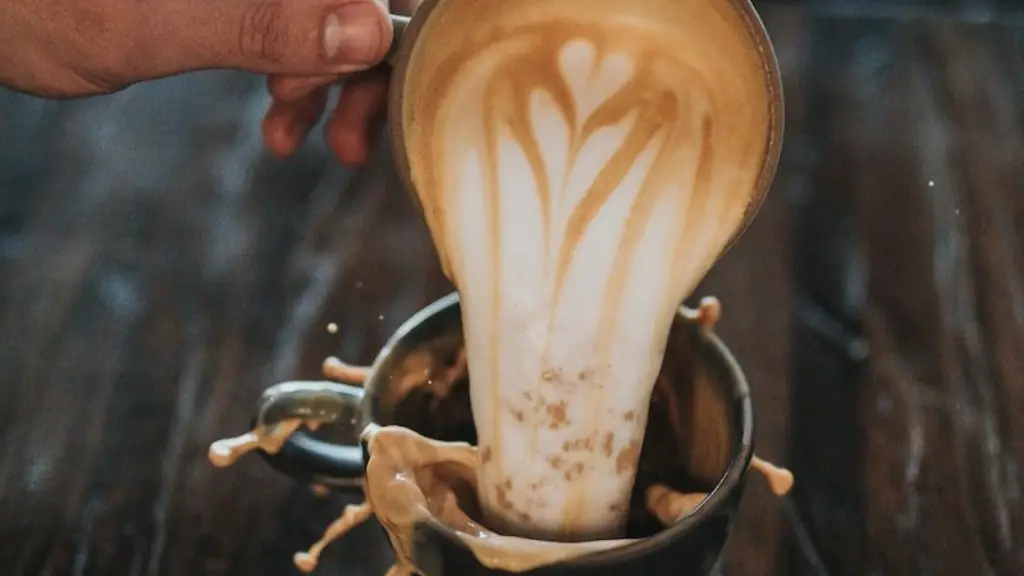
If you decide that the benefits of coffee outweigh the risks and want to approach moderation, you may opt for a high-caffeine drink, such as an espresso or latte. These types of beverages contain more caffeine than a regular cup of joe, which can provide more stimulation to your colon. Consume with caution, however, as too much caffeine can lead to dehydration, anxiety, and other side-effects. Additionally, it is important to note that lattes and other high-calorie coffees can also cause weight gain due to their high sugar and fat content.
When opting for higher-caffeine drinks, try to keep the portion size smaller. A single espresso shot will contain one-third of the caffeine of an entire cup of coffee, while a small latte will contain the same amount of caffeine but fewer calories.
Decaffeinated Coffee
When it comes to relieving constipation, Dr. Denker recommends decaffeinated coffee as the best choice for prevention. Decaffeinated coffee contains trace amounts of caffeine alongside many of the same beneficial compounds as regular coffee, which can offer relief without the side-effects of excessive caffeine.
However, it’s important to note that not all decaffeinated coffee brands are created equal. Be sure to do your research first and select organic, responsibly-sourced beans. Often times, you may be able to sample the beverage prior to purchase to ensure it meets your standards.