Caffeine During Pregnancy
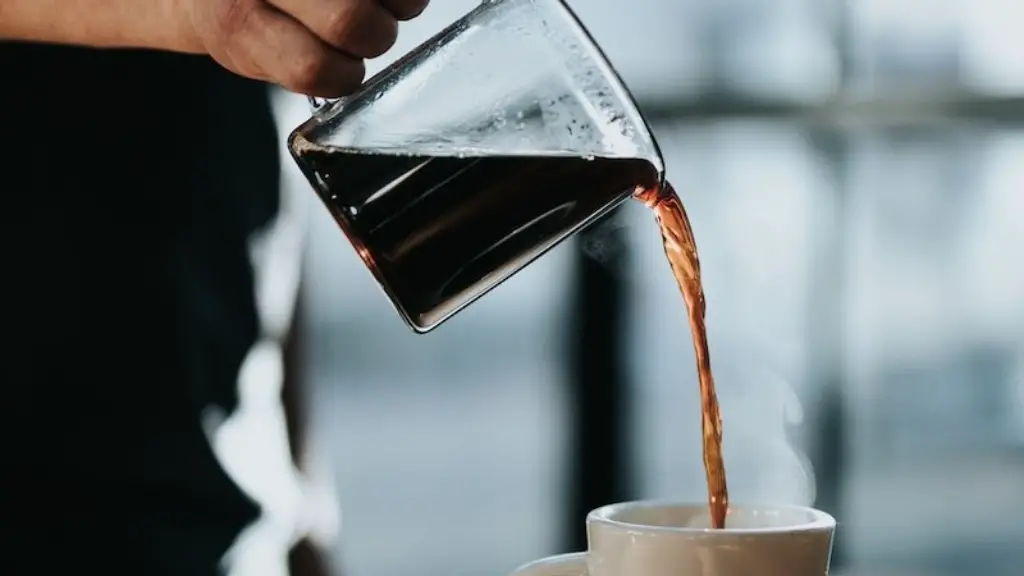
When it comes to expecting mothers, concerns about what the risks and benefits of caffeine are often top of mind. Although more than 90% of Americans consume caffeine regularly, safety concerns about drinking caffeine during pregnancy make this a touchy subject for many. Research indicates that it can be safe for pregnant women to drink coffee, in moderation.
Although most people are aware that caffeine is a stimulant – associated with jitteriness, anxiety, and/or dehydration – it can also have positive effects. Caffeine has been shown to help with alertness, concentration, and motor skills. It can also reduce the risk of stroke, diabetes and contribute to better cardiovascular health.
According to the March of Dimes, the American College of Obstetricians and Gynecologists, and the American Pregnancy Association, it is generally okay for pregnant women to have a limited amount of caffeine – up to 200 milligrams (mg) per day, or approximately one to two cups of brewed coffee. This amount of caffeine is similar to that of an energy drink. Women who are pregnant should decide for themselves what amount of caffeine is comfortable for them to consume.

That being said, it is important to be aware that caffeine does cross the placenta and can enter the baby’s bloodstreams. While studies indicate that low doses of caffeine are unlikely to cause a problem, higher doses have been linked to preterm labor and possibly birth defects in some babies. Taking more than 200 milligrams of caffeine per day could lead to an increased risk of miscarriage or low birth weight.
For expecting moms who can’t go without their daily cup of joe, it is important to be aware of the types of coffee drinks that contain high amounts of caffeine. This includes espresso, latte, cappuccino, iced coffee, and macchiato. Additionally, some people enjoy adding energy drinks, sodas, and tea to their diets. It is important to pay attention to the amounts of added caffeine in these drinks and how it contributes to your daily intake.
Tips for Cutting Down on Caffeine During Pregnancy
Many pregnant women find that they need to reduce the amount of caffeine they consume. Here are a few tips for cutting down on caffeine, depending on your lifestyle:
- Switch to decaf coffee. Substitute one cup of coffee with decaf every day until you can get to the point of drinking only decaf coffee.
- Drink more water. Avoid potentially caffeine-containing drinks and switch to herbal tea or fruit juices.
- Drink coffee in moderation. Avoid drinking more than one cup of coffee per day and try to spread out the amount of caffeine you consume throughout the day.
- Take some time away from coffee. If possible, arise an hour before heading to work and use this time as an opportunity to meditate, do yoga, or take a walk to avoid the temptation to reach for that cup of coffee.
Furthermore, always speak to your doctor first before cutting down on caffeine. Every pregnancy is different, and your doctor can provide personalised advice that works for you and your baby.
Ways for Pregnant Women to Get Mental Energy
Mental energy is hard to come by when pregnant, especially during the first trimester when fatigue and morning sickness can set in. Here are a few tips on how to naturally get that extra mental energy to feel alert and energised throughout the day:
- Eat well-balanced meals. The more energy you have, the more energy you need to keep up with your daily tasks.
- Get plenty of rest. Try to get 7–8 hours of sleep each night to give your body and mind time to rest.
- Exercise regularly. This can help boost your energy levels and improve your overall mood.
- Spend time outside. Natural sunlight is one of the best sources of energy.
Take time each day to relax and unwind. This can include stretching, journaling, taking a warm bath, meditating, or anything else that allows you to decompress.
Gaining Nutrients from Coffee
Oftentimes, the concern about drinking coffee during pregnancy is that the drink doesn’t contain any nutrients. However, with every cup of coffee you drink, you can gain a variety of vitamins and minerals, such as magnesium, vitamin B-12, and manganese. Additionally, antioxidants – including polyphenols, hydroxycinnamic acids, and diterpenes – are also found in coffee and can contribute to overall health.
Recent studies have also highlighted a few benefits of drinking coffee. For example, moderate coffee consumption can reduce the risk of depression during pregnancy and lower the risk of preterm labor. However, more research is needed to definitively establish these benefits.
Preparing Coffee Safely During Pregnancy

When preparing coffee at home, it is important to use clean and safe products. Start by washing your hands in hot, soapy water to help avoid any food-borne illnesses. Also take care to avoid coffee products that may contain harmful ingredients or toxins, such as those containing coffee grounds which could contain mold spores.
Milk and other dairy substitutes are important for pregnant women for ensuring sufficient calcium intake, however, it is important to use pasteurized or UHT milk. Additionally, avoid combining coffee with energy drinks, which can contain high levels of sugar that may increase the risk of gestational diabetes.
Conclusion
Drinking coffee during pregnancy is often a topic of debate. In general, it is okay for pregnant women to drink coffee in moderation as long as they do not exceed the recommended limit of 200 milligrams of caffeine per day. It is important to bear in mind that caffeine does cross the placenta and can affect the baby, so pregnant women should be mindful of how much coffee they drink. Women who are pregnant should talk to their doctor about their individual level of caffeine consumption and how it could affect their baby.
