Nothing complements a delicious meal quite like a cup of coffee. In fact, research suggests that having a cup of joe after dinner may actually have health benefits. But why do so many people like to grab a cup of coffee after a meal? Here are some scientific and cultural reasons that may explain why drinking coffee after dinner is so popular.
Caffeine, the primary stimulant found in many popular coffees, can help reduce fatigue and improve alertness. A cup of coffee post-meal can help to keep drowsiness at bay and give a pleasant evening pick-me-up. Additionally, coffee has been found to contain numerous beneficial compounds, including antioxidants, that may support health in various ways.
But it isn’t merely the scientific benefits met by a beverage that has made after-dinner coffee a tradition. In much of Latin America, it’s common for friends, family, and neighbors to gather for a cup of coffee and conversation after a meal—to share a moment with those special to them. In Chinese culture, the evening cup of coffee is often imbued with a philosophical focus, a time to ponder life, reflect on the day, and take a mental break. All of these elements explain why the tradition of having coffee around the dinner table persists in many cultures.

Moreover, powerful emotional triggers are often associated with a cup of coffee, especially amongst those who grew up with it. The sights, the smells, and the flavor of the beverage typically bring back pleasant memories and a sense of security. That helps explain why many people feel inclined to have a steaming cup of java after dinner.
The evidence is clear. Having a cup of coffee after dinner isn’t just a trendy beverage choice. It can be a way to support your health through natural compounds in the beverage, including antioxidants. It can provide a way to connect with friends, family, and the culture around you. It can also be a powerful emotional trigger that helps to bring up pleasant memories and provide the proverbial calm after the meal.
Caffeine Content in Coffee
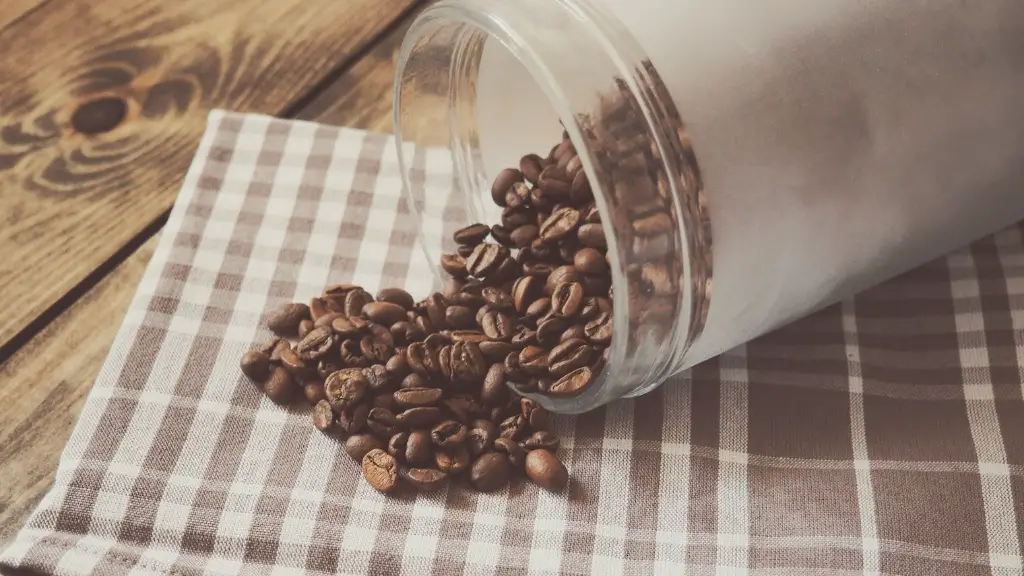
The amount of caffeine in coffee can vary tremendously depending on the type of coffee bean and the brewing method. Generally speaking, an 8-ounce cup of brewed arabica beans contains an average of 95 milligrams of caffeine, while an 8-ounce cup of brewed robusta beans contains an average of 180 milligrams. Instant coffee and espresso contain even higher concentrations of caffeine — up to 200 milligrams per cup.
For those looking to get their caffeine fix without drinking coffee, tea and chocolate are both good alternatives. While the caffeine content in tea varies widely depending on the type of tea, it typically ranges from 25 milligrams up to 90 milligrams per 8-ounce cup. Chocolate also contains caffeine, with an average of about 20 milligrams per 1-ounce serving.
However, caffeine-containing beverages should be enjoyed in moderation. Too much caffeine has been linked to sleep disturbances, anxiety, and other health issues. If you’re sensitive to the effects of caffeine, try switching to decaffeinated coffee or reducing your consumption of caffeine-containing beverages.
Factors That Affect the Taste of Coffee
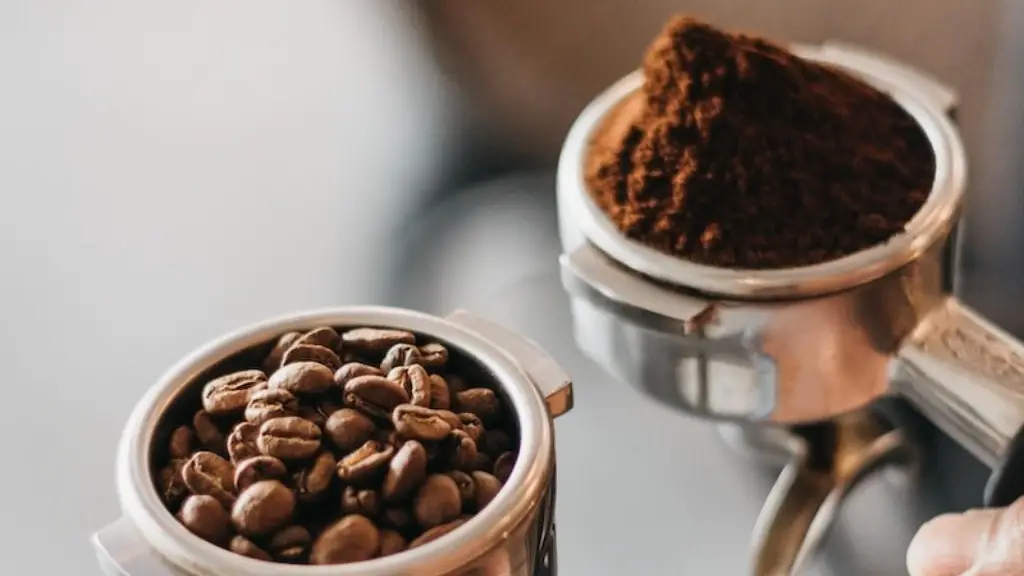
Beyond the type of coffee bean, other factors affect the coffee’s taste and flavor. The coffee grind size, water temperature, and brewing method all influence the coffee’s taste. The strength of coffee can also vary depending on how much ground coffee was used to make the beverage.
There are a few methods for brewing coffee, including the French press, pour-over, and drip. Each method produces a different flavor, with the French press resulting in a bolder flavor and the pour-over producing a cleaner, more floral taste. Additionally, the water used to brew your coffee can influence the flavor. Many experts recommend using filtered or spring water instead of tap water to make a better-tasting cup of coffee.
Lastly, the type of milk and sweetener you add can affect the flavor of your coffee. Milk acts as a natural sweetener and affects the body and texture of the beverage. Popular milk alternatives like oat milk, almond milk, and coconut milk are becoming increasingly popular due to their creamy texture and mild flavor.
Coffee House Culture
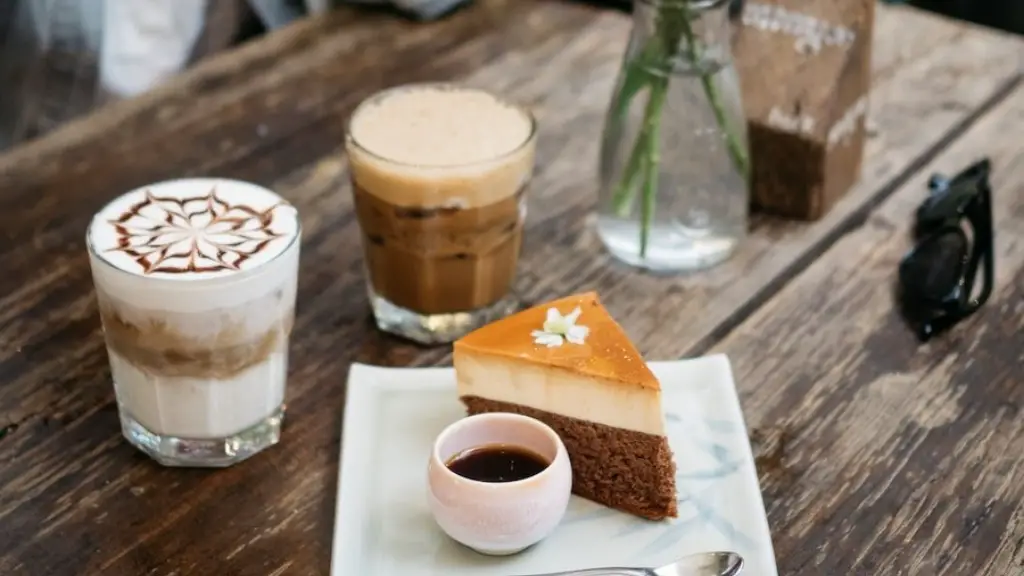
Coffee houses have become increasingly popular in many countries in the last few decades. Today, most cities boast a variety of coffee shops and cafes, offering a great range of both caffeinated and decaffeinated beverages. Coffee houses also provide an inviting atmosphere for both work and leisure.
Many coffee house owners have come up with creative ways to keep customers coming back. For instance, some have started offering a variety of modern, plant-based foods and drinks, such as avocado toast and matcha lattes. Others have created events and activities to draw a diverse crowd, including trivia nights and open mic events.
In addition to providing unique experiences, coffee houses can also help contribute to the local economy. For instance, some cafes recruit local artists to display their art, or offer an area where people can come and hang out. This encourages locals to remain in the area and boost the economy.
Nutritional Benefits of Coffee
A cup of coffee isn’t just a tasty treat, it’s also packed with nutritional benefits. Aside from caffeine, coffee also contains antioxidants, which are compounds that are believed to help protect your cells from damage and reduce inflammation in your body.
It’s worth noting that the darker the roast, the higher the amount of antioxidants. Studies have found that coffee consumption may have a range of beneficial effects on health, such as lower rates of type 2 diabetes, improved brain function, protection against certain types of cancer, and better heart health.
In fact, research suggests that coffee consumption may help you live a longer, healthier life. A recent review of data from more than 200 studies showed that coffee consumption was associated with a lower risk of death from any cause.
While more research is needed to understand the full impact of coffee on health, the emerging evidence does suggest that coffee consumption may offer health benefits. Let your cup of coffee take you beyond the cup and into the realm of positive health.
Healthy Add-ins for Coffee
Some people may find drinking coffee to be too bitter, acidic, or otherwise unpleasant. However, that doesn’t mean you have to forgo the wonderful taste of a cup of Joe. There are many healthy ingredients that can be added to a cup of coffee to make it more enjoyable.
For those looking for a healthier creamier option, plant-based milks are a strong choice. Almond and oat milks are particularly popular due to their mild flavor and creamy texture. You can also add monk fruit extract or stevia to sweeten your cup without adding sugar. Another interesting add-in is collagen, which may promote healthy skin, hair, and nails.
In warmer weather, try making iced coffee with Greek or almond yogurt instead of creamer. Yogurt adds a smooth and creamy texture, while providing additional protein from the yogurt. Lastly, for those with a sweet tooth, try adding a spoonful of cocoa powder to your coffee to give it a chocolaty flavor.
Specialty Coffee Drinks
In addition to traditional hot coffee, a range of specialty coffee drinks have become increasingly popular. Popuar variations include cappuccinos, lattes, macchiatos, and mochas. Some of these drinks use espresso as a base, while others use traditional hot brewed coffee.
One of the most popular specialty coffee drinks is the cappuccino, which is a mixture of espresso, frothed milk, and steamed milk. This beverage has a creamy texture, with a mild sweetness and distinct espresso flavor. A latte, which is similar to a cappuccino, contains espresso, steamed milk, and foam. A macchiato is made with espresso and foam, while a mocha is a combination of espresso with chocolate syrup or powder.
These specialty coffee drinks are often made with other added ingredients as well. Caramel, chocolate, and other syrups are commonly used to sweeten drinks, while spices such as cinnamon and cardamom are often added for added flavor. If you’ve never tried one of these specialty coffee drinks, start with a classic cappuccino or latte and go from there.
