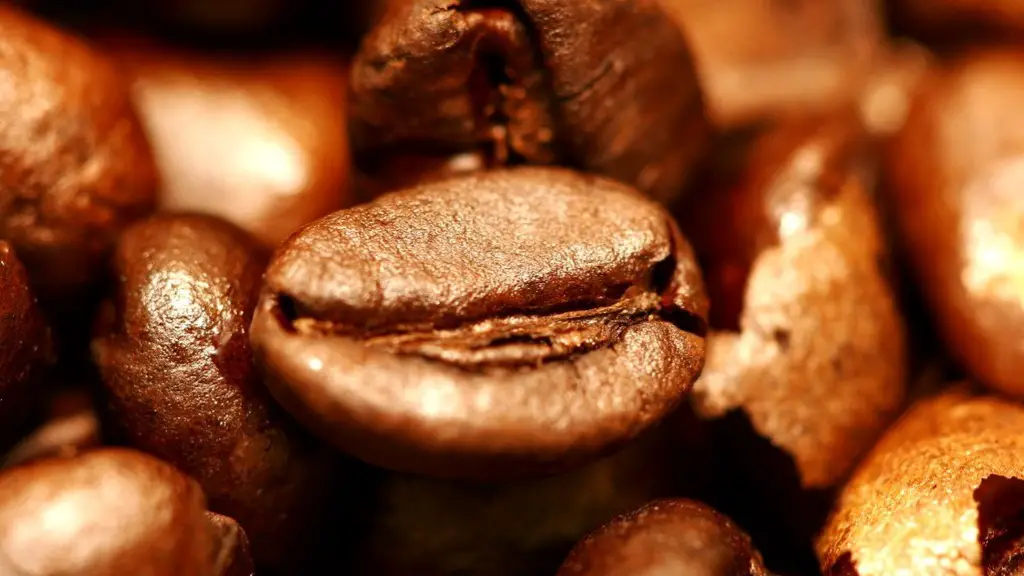
We all know the situation: you’re in need of a caffeine hit and you check if your coffee beans are still in date, only to find out that some of them have expired. The obvious question is whether you should still use them to make coffee and the answer might not be as simple as you expect.
On the one hand, coffee is considered to be edible once the expiry date has passed, as it is a product that does not spoil in itself. If a bag of beans is sitting in a cool and dry place, in a vacuum-sealed pack, it is likely to be still drinkable and able to give you the flavor you are after. The same is also applicable for instant coffee.
On the other hand, older coffee can give you less of a caffeine kick and the flavor profile might just not be as intense as it used to be. If your beans were still in their vacuum-sealed bag and you kept them somewhere away from sunlight, humidity or heat, their taste might be preserved. If not, the oils might have evaporated, leaving you with a lack of flavor and body in your cup.

Furthermore, even if the flavor of the bean has stayed wholly intact, the same cannot be said for its nutritional value. After the expiry date of the packaged beans, some of the nutriments, like vitamins and minerals, will have lost potency and be unable to provide the same benefits as fresh coffee beans.
For this reason, if you are looking for an unparalleled quality cup of coffee, the best choice is that of standing clear from the expired beans and opting for a fresh bag from a good coffee roaster.
The Impact of Humidity, Heat and Sunlight
Exposure to humidity, heat and/or sunlight can dramatically reduce coffee bean’s shelf-life, especially if it does not come in a vacuum-sealed package, which could even ruin an otherwise perfect batch. An excessive exposure to these environmental conditions will make the coffee beans become stale and unable to provide an enjoyable cup.
It is, therefore, important that you keep the beans in a suitable place, away from the elements, and consume them as soon as possible. This is valid for both unroasted and roasted beans, given that the effect of these factors is likely to be noticeable soon after their purchase, yet can be critically damaging over time.
Some experts believe that once a sealed bag has been opened, and the beans have been exposed to oxygen, their quality will better be preserved if they are then kept in an airtight container. This way, their contact with the air can be stopped, and the effects of humidity, heat, and sunlight will be reduced.
In any event, storing coffee beans in an open bag will not be an ideal situation, as the oils responsible for the flavor and aroma will keep evaporating, leading to their gradual quality loss.
What About Whole Versus Ground Coffee?
In the brewing process of a great cup of coffee, both time and temperature play a significant role. As for time, it can vary depending on the grind size you have chosen and the types of coffee filter you use. However, a good rule of thumb is that you should use the beans no more than 15-20 minutes after grinding to get the best possible extract out of the ground. Time is, therefore, important when it comes to coffee, and it is necessary to be mindful of that when using expired beans.
As for the temperature, it is vital to understand that, for the best extraction, coffee water has to be between 192°F and 205°F. If the water is any higher it is likely to burn the coffee and, consequently, make it taste bitter, while any temperature lower will make it yield an overextracted cup.
To sum up, if you plan on making coffee with expired beans, it is important to pay extra attention to both its temperature and its steep time.
The Role of Roasting
The type of roast your beans have been subjected to will also tell something about their shelf life. Coffee beans start to oxidize after they have been roasted, meaning that they will lose part of their flavor. However, lighter roasts will oxidize faster than darker roasts and, naturally, will also have a shorter shelf life.
That being said, even for an optimal-tasting cup of coffee, the shelf life of roasted beans should not exceed three months from the roasting date.
Therefore, for example, if the package of beans you have just opened does not indicate a roast date, it is often safe to assume that the beans have been roasted a while before, and might have lost flavor over time.
After all, freshness is one of the key components of a good cup of coffee, and it is important to always opt for the freshest beans available.
Additional Equipment
No matter how long your beans have been sitting on the shelf, the right tools can help you with the brewing.
The right brewing device is essential for any desired outcome and will help you achieve your preferred flavor profile.
Having a good grinder at home to grind your beans is also vital. Going for a quality burr grinder is the best option when it comes to grinding, as it is capable of providing an even-sized grind that allows for maximum surface area from each bean, making it much easier to extract the desired flavor.
Finally, a French Press is perfect for making espresso-like coffee with expired beans as it is capable of making a beverage more concentrated and flavorful, even when the beans are past their expiration date.
Different Perspective on Expired Beans
Contrary to what some may think, beans that have expired still remain perfectly edible, just not as fresh and flavorful as their counterparts fresh from the bag. Coffee shops, for example, often use expired beans because they are cheaper and can provide extra body to their beverages.
Additionally, some say that they can use expired beans to make a great cup of cold brew. Obviously, the expiry date will still take its toll in the cup, but some believe that the smoother flavor profile of a cold brew can make it less of an issue and still grant the expected outcome.
Usability and Flavor
It is true that, with the right brewing approach, you will be able to get something out of the expired beans. However, for a true quality cup, it is best to opt for fresh beans that have not been subjected to any unfavorable environmental condition and, instead of relying on the expiry date of a product, it is worth looking into its roast date, and then grinding as soon as possible.
Some say that the taste of stale coffee can still be enjoyable, but that might be because of its body, rather than the flavor. Expired beans are more likely to yield an underdeveloped cup and, not only, that the bitterness can be too intense for the sensitive palate.
In any case, the bottom line, when it comes to coffee beans and their expiration dates, is that it is always better to go for a fresh batch and make sure that you are getting the highest quality, as well as the desired flavor profile, out of your beans.
