
High blood pressure has become an increasingly common health issue, with one out of three Americans having it. But can hypertension sufferers still enjoy a cup of decaf coffee?
Decaffeinated coffee contains small amounts of caffeine despite the removed process. Research has shown that just 8-14 milligrams of caffeine in decaffeinated coffee could be enough to raise blood pressure levels. These levels may differ between individuals with varying degrees of sensitivity to caffeine.
What’s more, caffeinated coffee can increase hormones that cause stress, anxiety, and panic attacks. This, in turn, could raise one’s BP level. Doctors usually recommend avoiding caffeinated beverages when they are diagnosed with high BP.

However, it seems that decaf coffee wouldn’t exacerbate this issue. Studies have shown that drinking decaffeinated coffee, i.e. coffee with 97-99% of caffeine removed, isn’t detrimental to a patient’s BP level.
In contrast, some experts suggest the opposite. Dr. Arthur Agatston, author of the South Beach diet, posits that those with high BP should avoid coffee altogether, regardless of its caffeine content. Of course, it’s best to talk to a doctor about the consumption of all types of coffee for specific health advice.
At the same time, there are several beneficial parts to decaffeinated coffee. Moderate intake of decaf coffee could lower high triglycerides and cholesterol levels, two factors that could ultimately reduce one’s risk of cardiovascular disease.
Overall, it seems that decaffeinated coffee may not increase your BP levels. Still, it’s recommended to talk to a doctor first before drinking it and evaluate your individual risk factors.
Caffeine Content in Decaffeinated Coffee
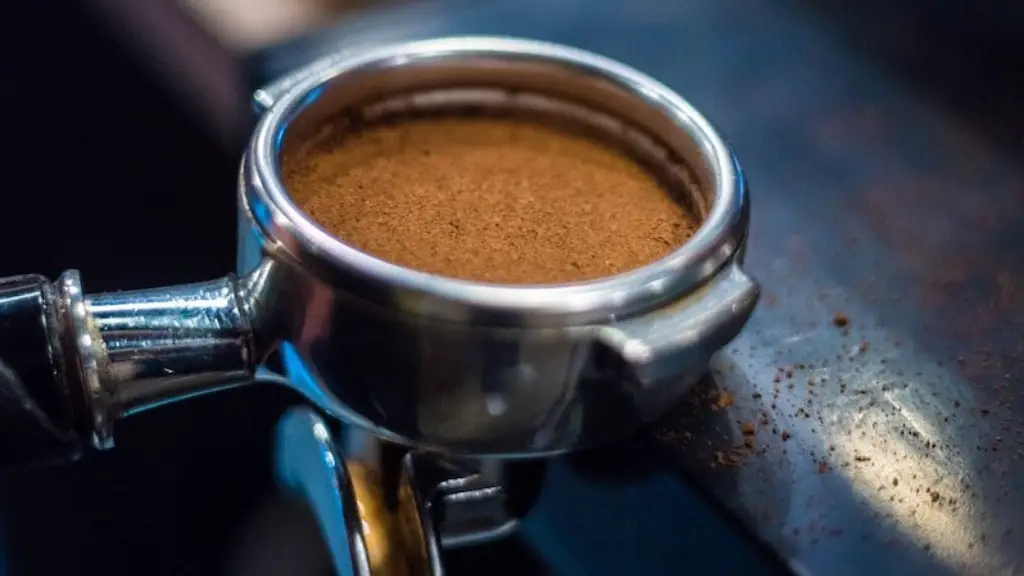
Manufacturers use different methods to produce decaffeinated coffee. The most popular procedure omits 97-99% of the caffeine substances, leaving trace amounts. Many large producers, such as Starbucks and Folgers, rely on solvents like methylene chloride and ethyl acetate to clean the coffee.
Besides, some organic and natural coffee brands use alternative production techniques, such as those based on supercritical carbon dioxide. However, the process isn’t as common due to its higher cost, leading many to opt for the more popular method mentioned before.
Still, all decaffeinated coffees produce small amounts of caffeine. Per 8-ounce serving, decaf containers contain 2-12 milligrams of caffeine, which are still substantial levels. Therefore, it is important to note that those with high BP should limit or avoid all caffeinated beverages, including decaf.
Alternatives to Decaffeinated Coffee
Those with hypertension should seek caffeinated beverages that are naturally low in caffeine. These include mate tea, herbal teas and oolong tea, which contain only 24-45 milligrams of caffeine per serving.

Another option is to opt for nut-based versions of coffee, such as those made of almonds, hazelnuts, and coconuts. They contain a fraction of the caffeine of traditional coffee and can be a healthy, flavorful alternative for those with high BP.
Many brands are adding sugar-free flavor enhancers, such as vanilla and caramel, to enhance the taste of nut-based coffee and reduce its bitterness. Some recipes call for adding natural sweeteners such as stevia or honey to improve the taste further.
Possible Health Benefits of Decaffeinated Coffee
In spite of its low caffeine content, decaffeinated coffee may offer some health advantages when consumed in moderation.
Research has shown that decaffeinated coffee could improve one’s cardiovascular health by lowering cholesterol and triglycerides. This result may be linked to other beneficial elements such as dietary fiber.

In addition, decaffeinated coffee is full of antioxidants, which are crucial for your body’s defense against diseases. Among these compounds are cafestol, kahweol, methylpyridines, both caffeic and ferulic acid, and trigonelline.
Also, decaffeinated coffee may aid in glucose metabolism, which is essential for maintaining optimal blood-sugar levels and ultimately overall health.
Bottom Line
Decaffeinated coffee may be a decent beverage – but only if consumed in moderation. Currently, the recommended quantity of espresso is between 2-3 cups a day. remember to always consult with a doctor before changing one’s caffeine intake.
The benefits of drinking decaffeinated coffee are ultimately outweighed by its potential risks when it comes to those who suffer from high BP. If consumed in moderation, it may not cause adverse effects on one’s BP levels. However, it is essential to follow doctor’s orders and limit or completely avoid caffeine-rich beverages.
