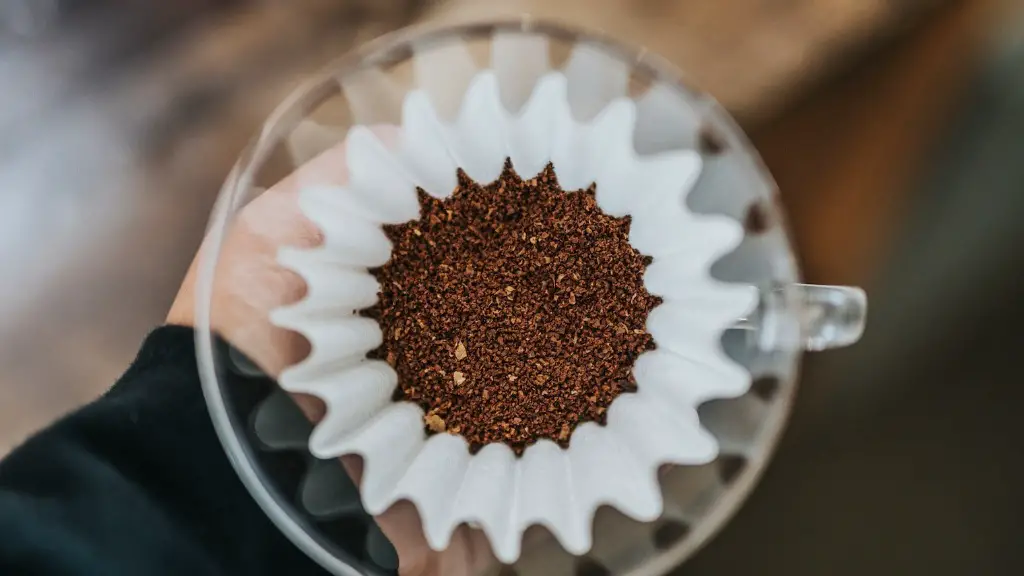
Cancer treatments such as Chemotherapy come with a wide variety of side effects. One of the most common and painful side effects that cancer patients experience is nausea. Many cancer patients turn to food and drinks to help manage their nausea and often wonder if coffee is an acceptable beverage during chemo.
The answer to this question is complicated as it depends on the type of cancer and the patient’s individual treatment plan. It’s important to speak to your doctor regarding any dietary changes you’re considering while undergoing chemotherapy. Some doctors may be lenient in allowing coffee while others may prohibit it altogether.
The truth of the matter is that there is no definite answer, as the research conducted on this topic has been inconclusive. Some researchers believe that drinking a cup of coffee can benefit chemo patients, while other researchers say that further research is needed to truly understand the effects of coffee on Cancer treatments.
At the end of the day, it’s important for cancer patients to listen to their own body and make the best decision for themselves. If you choose to drink coffee during chemo, it’s important to do so in moderation as caffeine can be dehydrating and increase the heart rate.
It’s also important to be aware of how the coffee is being prepared. Avoid adding lots of sugar, cream, or other unhealthy additives to the coffee. It’s best to stick with black coffee, as the additives can be too stimulating and could worsen your nausea.
Alternative drinks and beverages can be a great way to stay hydrated and energized during chemotherapy. If you decide against coffee, many cancer patients opt for tea as it can help soothe nausea and reduce stress. Additionally, decaffeinated tea is a great option as it can give you a comforting drink without the added caffeine.
If you’re looking for some extra energy during chemotherapy, there are also some non-caffeinated drinks such as non-citrus juices, nutrient-rich smoothies, or even warm broths. These drinks can give you the energy boost you need without the effects of caffeine.
Immune System

Coffee and other caffeinated drinks aren’t the only thing to consider while undergoing chemo. Your immune system can be compromised while undergoing treatment, so it’s important to pay special attention to your diet.
It’s important to stick to fresh, whole foods that are nutrient-rich and low in sugar. Processed and fried foods can contain harmful chemicals that can further compromise your immune system and increase your chances of infection.
It’s also important to consume probiotics and prebiotics, as they can be healing and replenishing during chemotherapy. Probiotics are beneficial bacteria that can be found in fermented foods such as yogurt, sauerkraut, or kimchi. Prebiotics are dietary fibers that help to feed beneficial bacteria and can be found in fruits and vegetables.
Getting plenty of rest is also important for your immune system. Making sure to prioritize rest and relaxation during chemotherapy can be beneficial for your overall health and well-being.

Finally, it’s important to keep up with any supplements your doctor prescribes you. Most doctors will advise their patients to take specific multivitamins and herbal supplements to help keep their body healthy while undergoing chemo.
Nutrition
Nutrition is an important factor to consider while undergoing chemotherapy. Eating a healthy, balanced diet can not only help you manage your nausea and other chemo-related symptoms, but can also help to keep your energy levels up.
Ensuring that you’re getting an adequate amount of proteins, complex carbohydrates, healthy fats, and essential vitamins and minerals is key. Eating an array of healthy fruits, vegetables, whole grains, proteins, and healthy fats can be beneficial for your overall health during chemo.
Some cancer patients opt to supplement their diet with vitamins, minerals, and other supplements as well. Before taking any kind of supplements, it’s important to consult your doctor as some supplements can interfere with chemotherapy treatments.

In some cases, chemo patients may need to increase their caloric intake during chemotherapy. If you feel like you’re having difficulty eating enough, it’s important to talk to your doctor to make sure you’re getting the nutrition you need for your body to heal.
Finally, it’s also important to keep track of your weight during chemo by scheduling regular check-ups with your doctor. If you notice any sudden changes in your weight, it’s important to consult your doctor as soon as possible.
Excercise
Exercise can be a critical component of cancer treatment. Exercising during chemotherapy can help you manage stress, fatigue, and pain, as well as help boost your immune system.
It’s important to consult your doctor before starting any kind of exercise regime. Depending on the type of cancer, your doctor may advise you to stick with light exercise such as walking or swimming.

Additionally, it’s important to stay hydrated before, during, and after exercising. Drinking plenty of water can help replenish any lost fluids as well as help reduce fatigue and nausea.
If you’re looking for something more high-intensity, there are some low-impact forms of exercise that can be beneficial. Yoga, Pilates, and Tai Chi are all great options as they can help build strength and flexibility while also helping to reduce stress and anxiety.
Finally, it’s important to manage your expectations when it comes to exercising. Make sure to listen to your body and take it slow. A little bit of light exercise can go a long way in helping you to manage your symptoms during chemo.
Follow Up Care
After a cancer diagnosis, it’s important to following up with your doctor regularly. Meeting with your doctor to discuss any changes in your health and treatment can be beneficial for your long-term care.
It’s important to stay up-to-date on the latest news and research regarding your cancer treatment. Additionally, it’s important to keep questioning your doctors and asking them any questions you may have.
Finally, creating a personalized care plan in collaboration with your doctor can be beneficial for your long-term care. Discussing any lifestyle changes you’d like to make and setting goals can help you create a plan that works for you.
Complementary Therapies
In addition to lifestyle changes such as diet, exercise, and follow up care, there are also a variety of complementary therapies that can be beneficial during chemo.
Meditation, visualization, and guided imagery can all be beneficial for reducing stress and anxiety. Additionally, aromatherapy, acupuncture, and massage can help to treat pain and reduce inflammation.
Finally, spending time in nature can be beneficial for improving mood and reducing stress. Make sure to go out for a walk or spend some time in the sun to help reset and recharge.
Complementary therapies can be a great way to supplement your cancer treatment plan. Before attempting any new complementary therapy, it’s important to speak to your doctor to ensure it’s safe and beneficial for you.
